Search

Driving Notes

The Official Blog of WNZR's Afternoon Drive

Category

Who Knew Wednesday

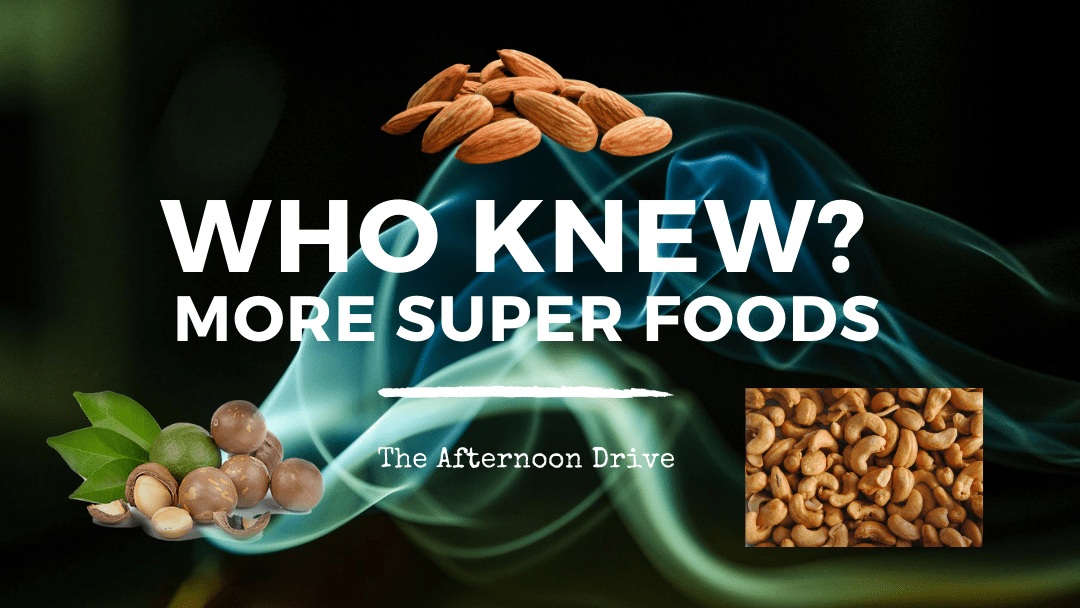
That’s Nuts!

More super foods today, this week from the land of nuts! I personally love a handful of low-salt cashews in the morning to start my day, or as a snack when that mid-afternoon drag starts…

Here are some thoughts about the benefits of nuts for heart health from the Mayo Clinic:

Eating nuts as part of a healthy diet may be good for your heart. Nuts contain unsaturated fatty acids and other nutrients. And they’re a great snack food — inexpensive, easy to store and easy to pack when you’re on the go.

One drawback to nuts is that they’re high in calories, so it’s important to limit portions. But choosing nuts instead of a less healthy snack may just help you stick to a heart-healthy diet.

Research has found that people who are at risk of a heart attack can cut their risk by eating a healthy diet that includes nuts.

Research suggests that eating nuts may:

  • Lower your low-density lipoprotein (LDL or “bad”) cholesterol and triglyceride levels, which play a major role in the buildup of deposits called plaques in your arteries
  • Improve the health of the lining of your arteries
  • Lower levels of inflammation linked to heart disease
  • Reduce the risk of developing blood clots, which can lead to a heart attack and death

As a result, nuts can improve your heart health and lower your risk of dying early from heart disease and other causes.

READ THE FULL ARTICLE HERE

Thanks for listening!
– Joe and Todd

Healthy veggie tales!

Last week, super fruits…this week, super vegetables!

Here’s a link to the article we shared from Rachel Link of Healthline Media: CLICK HERE TO READ

Spinach

This leafy green tops the chart as one of the healthiest vegetables, thanks to its impressive nutrient profile.

One cup (30 grams) of raw spinach provides 56% of your daily vitamin A needs plus your entire daily vitamin K requirement — all for just 7 calories. Spinach also boasts a great deal of antioxidants, which can help reduce the risk of chronic disease.

One study found that dark green leafy vegetables like spinach are high in beta-carotene and lutein, two types of antioxidants that have been associated with a decreased risk of cancer. In addition, a 2015 study found that spinach consumption may be beneficial for heart health, as it may lower blood pressure.

Carrots

…are packed with vitamin A, providing 428% of the daily recommended value in just one cup (128 grams).

They contain beta-carotene, an antioxidant that gives carrots their vibrant orange color and could help in cancer prevention. In fact, one study revealed that for each serving of carrots per week, participants’ risk of prostate cancer decreased by 5%.

Another study showed that eating carrots may reduce the risk of lung cancer in smokers as well. Compared to those who ate carrots at least once a week, smokers who did not eat carrots had a three times greater risk of developing lung cancer. Carrots are also high in vitamin C, vitamin K and potassium.

Broccoli 

…belongs to the cruciferous family of vegetables.

It is rich in a sulfur-containing plant compound known as glucosinolate, as well as sulforaphane. Sulforaphane is significant in that it has been shown to have a protective effect against cancer.

In one animal study, sulforaphane was able to reduce the size and number of breast cancer cells while also blocking tumor growth in mice.

Eating broccoli may help prevent other types of chronic disease, too.

A 2010 animal study found that consuming broccoli sprouts could protect the heart from disease-causing oxidative stress by significantly lowering levels of oxidants. In addition to its ability to prevent disease, broccoli is also loaded with nutrients.

A cup (91 grams) of raw broccoli provides 116% of your daily vitamin K needs, 135% of the daily vitamin C requirement and a good amount of folate, manganese and potassium (11).

Thanks for listening!
– Joe and Todd

Apples, berries and pomegranates

Today we shared a few pieces of advice from Singapore-based dietician Natalie Goh about some of the super fruits we can enjoy…

Read the full article by clicking here.

Apple benefits:

  • Promotes heart health: Apples contain a type of soluble fiber, known as pectin, that has been linked to lower levels of bad cholesterol.
  • Helps reduce risk of type 2 diabetes: It has been reported that women who consume at least one apple a day are 28% less likely to develop type 2 diabetes as apples are loaded with soluble fibre – the key to blunting blood sugar swings.
  • Prevent breathing problems: On the same note, consuming 5 or more apples a week has been linked with better lung function most likely because of an antioxidant called quercetin found in the skin of the apples.

Make it part of your diet:

  1. If you’re not the kind to enjoy a crunchy apple, make apple water! Simply toss a couple of chopped apples with a few sticks of cinnamon into your favorite pitcher, before pouring yourself a glass.
  2. Alternatively, substitute your unhealthy midday snacks with an apple. The fibrous fruit is proven to keep you full for a longer time hence helping to maintain your weight.

Blueberry benefits:

These tasty blue gems are tiny but they sure pack a punch. Although small, they are one of the most powerful sources of antioxidants among fruits.

  • Healthy heart: Studies suggest that the high content of anthocyanins in berries may help counter the build-up of plaque in arteries and improve cardiovascular health. Also, the antioxidants in blueberries have been linked to reduced levels of oxidised LDL (often referred to as the ‘bad’ cholesterol), a major risk factor for heart disease.
  • May help protect the brain: Blueberries may aid in improving memory and delaying cognitive problems frequently associated with ageing. Studies on blueberry intake suggest that this is likely due to blueberries’ vast array of antioxidant nutrients that help to protect the nerve cells from oxygen damage.
  • Reduce free radical damage: DNA damage is part of the reason we age, and it also plays an important role in the development of diseases like cancer. Because blueberries are high in antioxidants, they can help neutralize some of the free radicals that cause damage to our DNA.

Make it part of your diet:

  1. Blend a handful of blueberries into your smoothie or shake.
  2. Add fresh or dried blueberries to your breakfast cereal, for both a nutritious and colorful punch!
  3. Mix blueberries with low-fat yogurt for a delicious dessert.

Pomegranate benefits:

Pomegranates are a gem of a fruit – cut one open and you’re greeted with many little sparkling seeds that resemble rubies. You’ll be glad to know that the fruit not only looks good, it is also very nutritious.

  • Impressive anti-inflammatory effects: Pomegranate has potent anti-inflammatory properties. Test tube studies have shown it can reduce inflammatory activity in the digestive tract.
  • Help to maintain healthy blood flow: Pomegranate contains some iron, a mineral needed to make red blood cells in our body. A deficiency in iron can cause anaemia, resulting in symptoms such as exhaustion, dizziness and weakness.
  • Guards memory and brain function: Studies have reported memory and other cognitive benefits of polyphenols, which are found abundantly in pomegranate seeds and their juice. A small study suggested that pomegranate juice may play a potential role in memory function, through showing increases in task-related brain activity among older adults.

Make it part of your diet:

  1. The next time you’re looking for a healthier dip for your meat dish, consider whipping up your own cranberry pomegranate sauce! It’d be a sweet addition to your dish.
  2. Have some pomegranate juice! You can choose to make your own by tossing the seeds in a blender, or you can opt to buy a bottle off the shelves from the supermarket. Take note to check that no sugar or additives have been thrown in.

Thanks for listening!
– Joe

Cha…Cha…Cha…Changes!

Today we spent time going over the changes for this year’s ‘STAY SAFE WITH BIG BLUE‘ contest at the Knox County Fair.

Everything we discussed PLUS your link to sign up for the three age group prizes is right here!

Thanks for listening!
– Joe

Stay safe tips…and prizes!

Today we featured two main topics for Who Knew Wednesday

The first – details on the summer ‘Stay Safe With Big Blue’ activities here at WNZR. We’ve got a contest through July 3rd and also video visits with some of our summer partners. You can sign up for the contest and watch the videos at the link below.

Find more information by clicking here!

Here are today’s tips from the Who Knew? book:

Toothpaste is a great household helper and it even comes in handy with burns. If you sustained a minor burn, cover it with white non-gel toothpaste to ease the pain and help it heal.

You can also soothe and help heal minor bruises and scrapes by using the inside of a banana peel to gently rub the injury. Treat as fast as possible to reduce bruising.

The ancient Egyptians relied on honey for cuts and burns long before antibiotics were around. Besides offering a soothing protective layer over minor wounds, the honey provides a natural antibiotic. Put a layer of pure honey on before a bandage.

Here’s a trick for splinters. Use vegetable oil! It softens the skin and helps the offending piece of wood slide back out. You can also put a drop of white glue over the splinter, let it dry, and then peel off the dried glue. The splinter will stick to the glue and come right out.

Thanks for listening!
– Joe and Alyssa

Place 4 Grace update

On Wednesday’s show, Kandee Popham, Executive Director of Place 4 Grace, shared information about the ministry and their summer fundraiser called Overflow.

Hear the conversation with Rachel Rinehart by clicking here!

Part 2 – Who Knew?

Today we shared more home remedy tips from the Who Knew? book from Bruce and Jeanne Lubin.

STRESS: Many people hold stress in the area between their eyebrows, and in time, vertical stress lines will develop there. When you feel your brow knit together with concentration or stress, take a moment to pinch the muscle there, working from the center of the brow along the brow line in each direction with a thumb and a bent forefinger.

SLEEP: If you’re having trouble sleeping, there’s an all-natural insomnia cure. At bedtime, drink a glass of water, then let a pinch of salt dissolve on your tongue. Just make sure the salt doesn’t touch the roof of your mouth. Studies show the combination of salt and water can induce a deep sleep. The essential oil lavender is also good for this.

CANKER SORES: Hydrogen peroxide can help reduce and relieve canker sores. Simply mix one part peroxide with one part water, then dab on any affected area several times a day…or swish around in your mouth for as long as possible. If you feel a canker sore coming on but it hasn’t erupted yet, hold a slice of fresh garlic to the spot for 10 minutes. It’ll make your breath stink, but it will also stop the sore from forming.

RICE HEAT? Here’s a tip for a homemade heating pad. Add uncooked long grain rice to a sock and tie it shut. Whenever you need a little heat after a long day, stick it in the microwave on high for 1 to 2 minutes and you’ll have soothing warmth. You can also add a little scent to the pillow by adding a few drops of your favorite essential oil to the rice.

Thanks for listening!
– Joe

Simple tips for home and health

Today’s Who Knew? focused on some natural remedies…

Bad breath? Eat some yogurt. The good bacteria in yogurt has been found to be effective in targeting the odor-causing bacteria in your mouth. Make sure you go for the plain kind, no sugar. Breath mints and sprays mask the odor but they don’t help the underlying problem.

You also don’t need expensive mouthwashes to get better breath. Simply gargle with a mixture of 1 cup water, 1/2 teaspoon baking soda and 1/2 teaspoon salt. This combo will knock out any germs that are causing bad breath.

How much water is enough water? Divide your body weight in half. The number you come up with is how many ounces of water you should be drinking daily for example if you weigh 150 lb you should consume 75 oz of water each day.

Detox with lemon! Lemon juice not only smells great, it tastes delicious too. Mix it with hot water and try it as an alternative to hot tea and coffee. You may find it wakes you up just as well, and your body will thank you.

Craving sweets? Here are two quick tricks to eliminate the craving for sweets without hitting the fridge. One way is to place a small amount of salt on your tongue and let it slowly dissolve. The second is to dissolve about a teaspoon of baking soda in a glass of warm water, then rinse your mouth out and spit don’t swallow. The salt or baking soda tends to stimulate the production of saliva which eliminates your sweet craving.

Furry friends. Playing with or petting your pet is known to reduce blood pressure, improve your mood, and reduce stress. It has been proven to work with all pets!

Thanks for listening!
– Joe

Light a fire!

Here are some our Who Knew? grilling tips…

PREP:
You can clean the grill grates by soaking them in a tub with hot water and one cup each of ammonia and dish washing liquid. Let it sit overnight, then the next day, grab those rubber gloves and scrub away!

You can also use WD-40 to clean your grill…spray and let it sit for 5-10 minutes. But make sure you wipe them off and clean them with soap and water!

AFTER THE GRILLING PARTY:
So your party was a hit, but the cleanup? Gross. Grab an onion, cut it in half and dip it in vegetable oil…scrub the onion over the hot grates. The enzymes in the onion will break down the grime and the oil softens it.

You can also use a red onion to add flavor by halving it, dipping it in water, then rubbing it over the grates before you start grilling.

A NEAT TRICK:
If you’re grilling a steak on a closed grill, you can open a can of Dr. Pepper or Root Beer and place it on the hottest part of the grill. The soda will boil and keep the meat moist, while adding flavor.

Thanks for listening!
– Joe

Blog at WordPress.com.

Up ↑