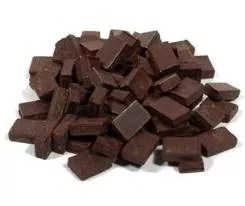
Today is a bittersweet day, simply because it’s bittersweet chocolate day! Yes! Every year on January 10th, we celebrate Bittersweet Chocolate Day! So, now that you know that, did you also know that November 7th is National Bittersweet Chocolate with Almonds?
Fun, right?
Here are some more fun facts about Bittersweet Chocolate!
- In America, bittersweet chocolate starts around 70% or more of cacao. Higher percentages of cacao lower the amount of sugar in your chocolate, but usually raise the amount of cocoa butter used. This ratio of cacao to sugar determines if it is bittersweet, semi-sweet, or sweetened. If you decide to add fine dark chocolate to your routine, make sure it’s true dark chocolate. Sometimes milk chocolate will have food coloring to make it look like dark chocolate. Checking the cacao percentage is probably best.
- When you watch movies, Hollywood has some pretty neat tricks of faking things like food and blood. But what about faking blood with food? Chocolate syrup was used for blood in the famous 45 second shower scene in Alfred Hitchcock’s movie, “Psycho” which actually took 7 days to shoot.
- There are about 5 to 10 milligrams of caffeine in one ounce of bittersweet chocolate, 5 milligrams in milk chocolate, and 10 milligrams in a six-ounce cup of cocoa; by contrast, there are 100 to 150 milligrams of caffeine in an eight-ounce cup of brewed coffee. You would have to eat more than a dozen chocolate bars, for example, to get the amount of caffeine in one cup of coffee.
- A single chocolate chip provides sufficient food energy for an adult to walk 150 feet; hence, it would take about 35 chocolate chips to go a mile, or 875,000 for an around-the-world hike.
- Due to its high cocoa content, bittersweet chocolate can be kept for years if stored in the correct conditions.
- The Aztecs loved and valued the cacao bean so highly that they used it as currency during the height of their civilization.
- Dutch-process cocoa is additionally processed with alkali to neutralize its natural acidity. Natural cocoa is light in color and somewhat acidic with a strong chocolate flavor.
- Natural cocoa is commonly used in recipes that also use baking soda; as baking soda is an alkali, combining it with natural cocoa creates a leavening action that allows the batter to rise during baking. Dutch cocoa is slightly milder in taste, with a deeper and warmer color than natural cocoa.
- Dutch-process cocoa is frequently used for chocolate drinks such as hot chocolate due to its ease in blending with liquids.
Thanks for listening!
– Joe and Lilly
 Driving Notes
Leave a comment